






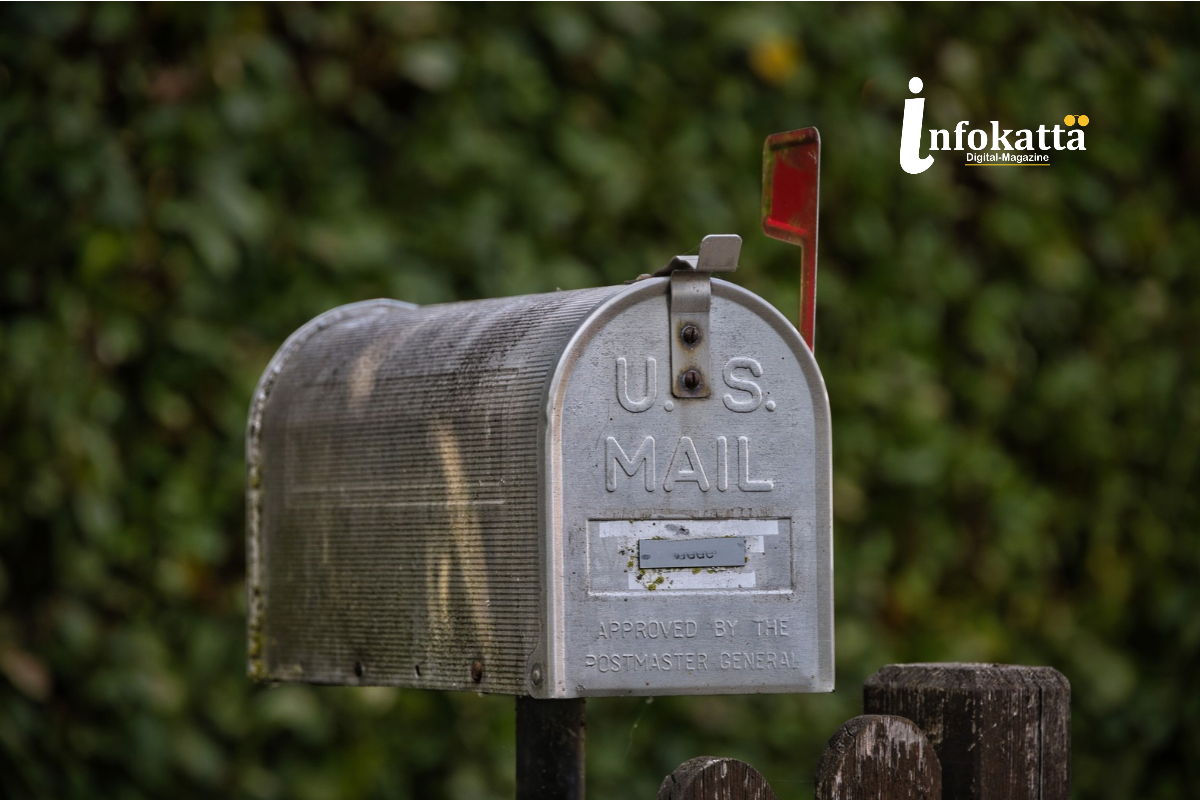
In a world where everyone’s inbox is flooded and every scroll is another ad, direct mail marketing has quietly become one of the more effective tools a small business can use. It feels almost old-fashioned, a physical postcard or letter landing in someone’s mailbox, but that is exactly what makes it stand out. People get far less physical mail now, so what does arrive tends to actually get looked at.
This guide covers what direct mail marketing is, why it still works, and how to run a simple, affordable campaign, even if you’ve never tried it before.
What Is Direct Mail Marketing?
Direct mail marketing is the practice of sending printed promotional material, such as postcards, letters, catalogs, or flyers, directly to a customer’s or prospect’s physical mailing address. It is one of the oldest forms of advertising, but it has evolved. Modern direct mail is often combined with digital tracking, personalized printing, and targeted mailing lists, making it more precise than the mass mailers of the past.
Why Direct Mail Still Works
1. Less competition for attention. Most marketing dollars now go to digital ads, so mailboxes are quieter than inboxes. A well-designed piece of mail often gets a longer, more focused look than an email that gets deleted in a second.
2. It feels more personal. Receiving something physical, especially something addressed by name, creates a different impression than a digital ad. It signals effort.
3. Response rates can beat email. Industry data from the Association of National Advertisers and similar sources has repeatedly shown that direct mail response rates often outperform email, particularly for local and repeat-customer campaigns.
4. It builds trust. A physical address and a real mailing piece can make a small business feel more established and legitimate, especially to older or more cautious customers.
5. It pairs well with digital marketing. A QR code or a personalized link on a mailer can drive people straight to a landing page, combining the attention-grabbing power of print with the trackability of digital.
Types of Direct Mail You Can Use
Postcards. Cheap to print and mail, and don’t require opening, so your message is seen instantly.
Letters. Best for a more personal or detailed pitch, such as a renewal offer or a thank-you note with an incentive.
Catalogs or brochures. Useful if you have several products or services to show at once.
Self-mailers. Folded pieces that open like a small booklet, good for a mix of visuals and information.
Dimensional mail. A small box or unusual-shaped item that stands out physically in the mail, often used for high-value prospects.
How To Run A Direct Mail Campaign: Step By Step
Step 1: Define Your Goal
Decide what success looks like before you design anything. Are you trying to win back old customers, announce a new location, promote a seasonal offer, or generate leads? Your goal shapes the message, the design, and who you send it to.
Step 2: Build Or Buy A Targeted Mailing List
You can mail your own existing customer list, or buy a targeted list based on location, demographics, or interests from a mailing list provider. A tightly targeted list, even a small one, usually performs better than a large, generic one.
Step 3: Design A Clear, Simple Piece
Keep the design focused on one offer and one action. A cluttered mailer with too many messages usually gets ignored. Use a strong headline, a clear image, and one obvious call to action, such as a phone number, website, or QR code.
Step 4: Add A Way To Track Results
Include a unique promo code, a dedicated landing page URL, or a QR code so you know exactly how many responses came from the mailing. Without tracking, you won’t know if the campaign is working.
Step 5: Time It Around Something Relevant
Mail tends to perform better when it’s tied to a season, holiday, local event, or a customer milestone, such as a birthday or anniversary. Timing gives the piece a reason to matter right now.
Step 6: Send A Test Batch First
If your list is large, send a smaller test batch first to check response rates before committing to the full mailing. This limits your risk and lets you improve the design or offer if needed.
Step 7: Follow Up
Direct mail works even better when paired with a follow-up, such as an email a few days later or a phone call for high-value prospects. The mail creates awareness, and the follow-up closes the gap.
How Much Does Direct Mail Cost?
Costs vary based on design, printing, list size, and postage, but a simple postcard campaign is often one of the more affordable options a small business can test, especially compared to some digital ad campaigns competing for the same customer’s attention. Start small with a test batch to see real numbers for your own business before scaling up.
Common Direct Mail Mistakes To Avoid
Sending to a poor-quality list. A list that’s outdated or poorly targeted wastes money no matter how good the design is.
No clear call to action. If it’s not obvious what to do next, most people will simply set the mail aside.
Skipping the tracking step. Without a way to measure response, you’re guessing rather than learning.
One-and-done mailing. A single mailer rarely builds the recognition that repeated, consistent contact does. Direct mail tends to work best as part of an ongoing effort, not a one-time try.
Ignoring the design. Even a small business can use a simple, clean design. A cluttered or unprofessional-looking piece undermines the trust direct mail is meant to build.
Is Direct Mail Right For Your Business?
Direct mail tends to work especially well for local businesses, real estate, home services, healthcare practices, and any business trying to reach an older or more local audience. It can also work well for winning back past customers who have gone quiet on email. If your audience is younger, highly digital, or spread across a wide geography, direct mail may play a smaller, supporting role rather than a lead role in your marketing.
Final Thoughts
Direct mail marketing isn’t outdated. It’s simply less crowded than it used to be, which is exactly why it can still work. Start small, target carefully, track your results, and follow up. Combined with your digital efforts, it can become a quiet but reliable part of how you reach customers.
FAQ
Is direct mail marketing still effective in 2026?
Yes, particularly for local businesses and for reaching customers who are less responsive to digital ads. Its effectiveness has held up well because there is now less competition for attention in a mailbox than in an inbox.
How much does a direct mail campaign cost?
Costs depend on design, print quantity, and postage. Starting with a small test batch of postcards is one of the more affordable ways to try it.
How do I track if direct mail is working?
Use a unique promo code, a dedicated landing page, or a QR code on the mailer so you can measure exactly how many responses it generated.
What businesses benefit most from direct mail?
Local businesses, real estate, home services, and healthcare practices tend to see strong results, especially when targeting a specific neighborhood or customer list.